
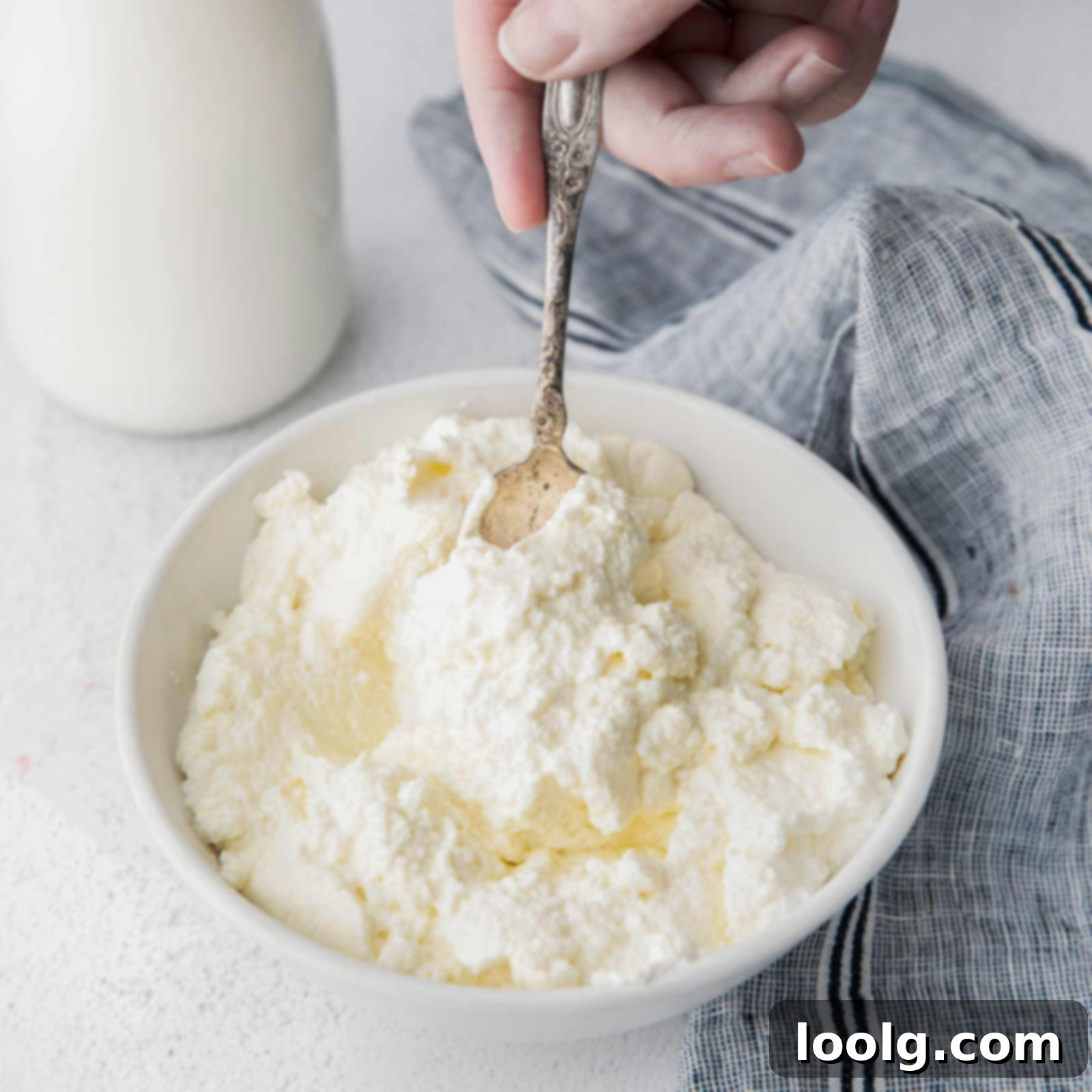
Homemade Creamy Ricotta Cheese: Easy Recipe for the Freshest Flavor
Discover the unmatched taste and incredibly smooth texture of homemade ricotta cheese. This recipe guides you through making an extra creamy, rich ricotta that’s surprisingly easy to prepare right in your kitchen. With just a few simple ingredients and about 30 minutes of your time, you’ll achieve soft, fluffy ricotta that far surpasses anything you can buy at the grocery store. The difference in flavor and quality is truly remarkable, making store-bought ricotta a distant memory once you experience the homemade version.
Many commercial ricotta brands often rely on stabilizers and gums, such as carrageenan or xanthan gum, to prolong shelf life. While effective for preservation, these additives can unfortunately lead to a rubbery or grainy texture that detracts from the cheese’s natural appeal. In stark contrast, homemade ricotta is a testament to purity and freshness, offering a delightfully creamy and fluffy consistency that melts in your mouth.
The secret to its superior taste lies in its preparation: fresh milk and rich heavy cream are gently curdled with a touch of acid, like lemon juice or white wine vinegar. This simple process results in a clean, subtly sweet, and milky flavor profile that is wonderfully versatile, perfect for both sweet and savory culinary creations.
Homemade Ricotta vs. Store-bought: Why It’s Always Better
When it comes to ricotta, the homemade advantage is clear. Here’s a closer look at what makes crafting your own ricotta a game-changer:
- Unrivaled Freshness: The most immediate difference you’ll notice is the flavor. Homemade ricotta boasts a light, pure milky taste, completely free from the slightly acidic or sometimes chemical aftertaste that can plague store-bought varieties. This freshness elevates any dish it’s added to.
- Superior Texture Control: One of the greatest benefits of making ricotta at home is the ability to precisely control its consistency. By adjusting the draining time, you can achieve your desired texture. A shorter draining period yields a softer, more spreadable cheese, ideal for toast or dolloping onto soups. For recipes requiring a firmer ricotta, like pasta fillings or baked goods, simply extend the draining time.
- Premium Ingredient Quality: This recipe calls for whole milk and heavy cream, which are key to creating an unparalleled richness and velvety texture. Mass-produced, part-skim versions often compromise on these qualities, resulting in a lighter, less satisfying product. Using high-quality dairy ensures your homemade ricotta is incredibly decadent.
- No Unwanted Additives: Say goodbye to stabilizers, thickeners, and preservatives. Homemade ricotta contains only the pure ingredients you choose, ensuring a clean label and a wholesome product you can trust.
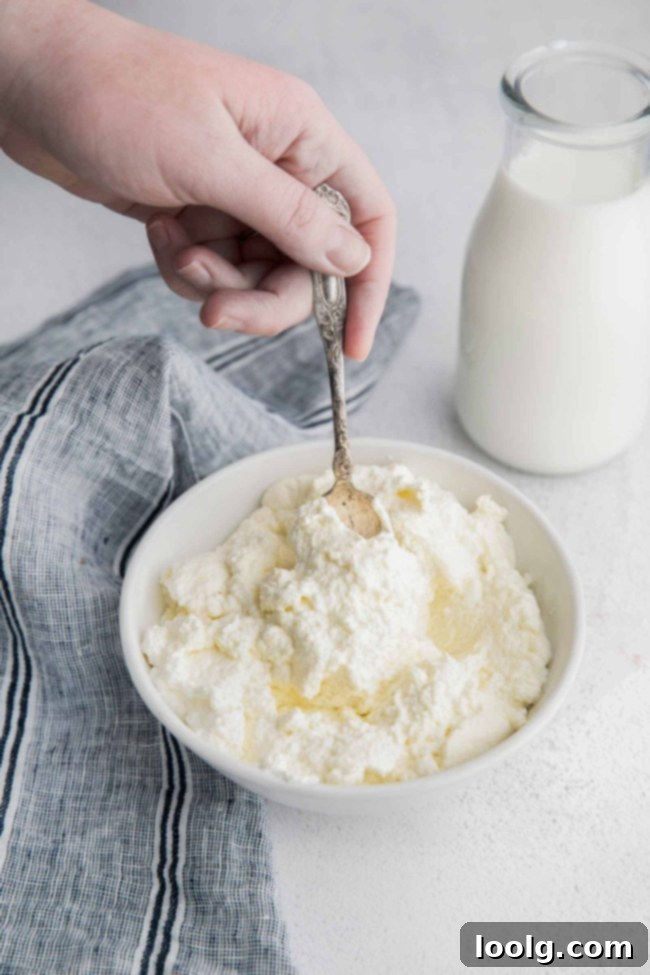
Once you experience the sublime quality of homemade ricotta, returning to the store-bought alternative will be a challenge. Its inherently smoother, fresher, and cleaner milky flavor makes it an incredibly versatile ingredient, equally at home in sweet desserts or savory main courses. This makes it an essential staple for any home cook looking to elevate their dishes.
For those who might be new to cheesemaking, this recipe serves as the perfect introduction. There’s no need for complicated equipment, lengthy aging processes, or specialized techniques. The process is remarkably straightforward: heat the ingredients, stir in the acid, allow it to curdle, and then strain. In a mere 30 minutes, your fresh ricotta will be ready to incorporate into delicious recipes, such as a hearty Baked Ziti or a comforting Venison Casserole. It’s truly an accessible and rewarding culinary adventure!
What’s To Love About This Recipe
- Incredibly creamy and fresh, offering a taste experience far beyond store-bought options.
- Made with just 4 simple, readily available ingredients, making it an accessible project for any home cook.
- Ready in about 30 minutes, perfect for when you need a gourmet touch without a long wait.
- No special equipment needed – just a saucepan, a sieve, and some cheesecloth.
- Highly versatile, suitable for a wide array of sweet and savory dishes.
Ingredient Notes: Key to Your Creamy Ricotta
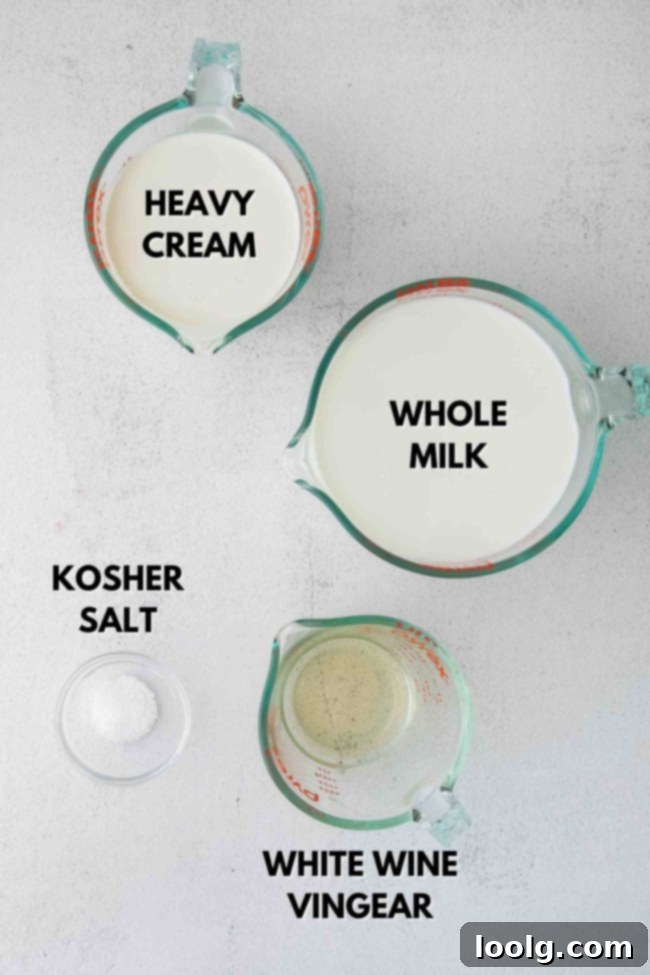
Achieving the perfect creamy ricotta starts with selecting the right ingredients. Below are some important notes to ensure your homemade cheese is nothing short of exceptional. Please scroll down further for the full recipe with precise measurements.
- Milk: For the absolute best flavor and luxurious texture, always opt for whole milk. Its higher fat content contributes significantly to the richness of the final product. It is highly recommended to avoid ultra-pasteurized milk if at all possible. The ultra-high temperature processing of ultra-pasteurized milk alters its protein structure, which can make it resistant to curdling effectively, leading to a much lower yield or a less desirable texture. Fresh, regular pasteurized whole milk will give you the best results.
- Heavy Cream: This is the secret weapon for an ultra-creamy, almost “luxury” style ricotta. Adding heavy cream boosts the fat content, resulting in a silkier, more indulgent texture and a richer mouthfeel. While you can make ricotta with just milk, the cream truly elevates it to another level of decadiness.
- White Wine Vinegar: This acidic ingredient is crucial for curdling the milk and cream, separating the solids (curds) from the liquids (whey). White wine vinegar offers a clean, neutral flavor that won’t overpower the delicate taste of the ricotta. If white wine vinegar isn’t available, freshly squeezed lemon juice is an excellent substitute, providing a similar clean acidity. Just ensure it’s fresh for the best flavor.
- Salt: A small amount of kosher salt is added to enhance the natural flavors of the dairy. It’s a subtle addition that brings out the sweetness and richness of the milk and cream.
A Note on Ricotta Ratios: This Recipe’s Creamy Edge
It’s worth noting that I also have another popular Homemade Ricotta Recipe on my other blog, Texanerin Baking. That recipe uses a ratio of approximately 87% milk to 13% cream. This proportion produces a lighter, more traditional ricotta-style curd, which is closer to the classic dairy-driven ricotta texture – slightly grainy, milky, and not overtly fatty. It’s fantastic for those who prefer a lighter touch.
However, today’s recipe takes a different approach, leaning into a noticeably richer, cream-forward profile with a ratio of about 67% milk to 33% cream. This shift creates a truly “luxury” or restaurant-style ricotta. You’ll find it feels significantly silkier on the tongue, tastes heavier, and boasts a much more buttery, indulgent flavor. If you’re seeking that ultimate creamy experience, this is the recipe for you!
How to Make Extra Creamy Ricotta: A Simple Step-by-Step Guide
Making your own creamy ricotta is an incredibly satisfying and surprisingly straightforward process. Follow these easy steps to achieve perfect, fluffy curds every time:
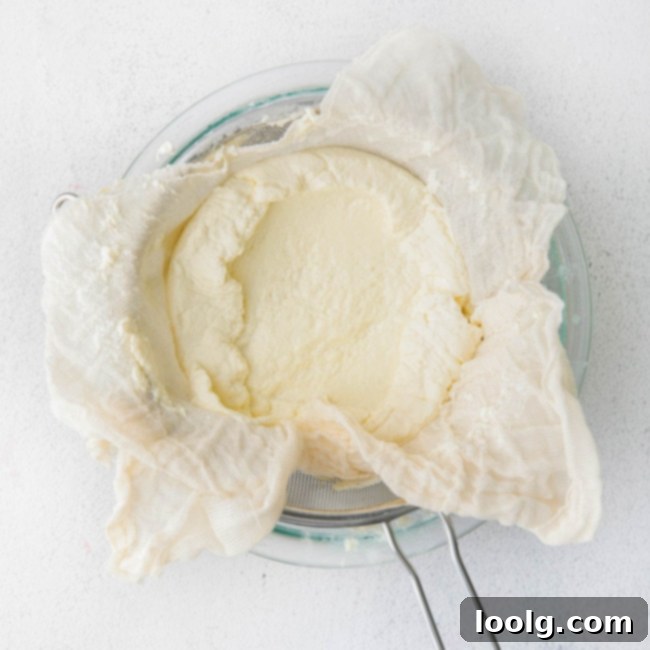
- Prepare Your Draining Station: Begin by setting up a fine-mesh sieve over a large mixing bowl. This bowl will catch the whey as the ricotta drains. Line the sieve generously with several layers of high-quality cheesecloth (or a clean, thin kitchen towel if cheesecloth isn’t available). Ensure there’s enough overhang to gather the sides later. Set this assembly aside.
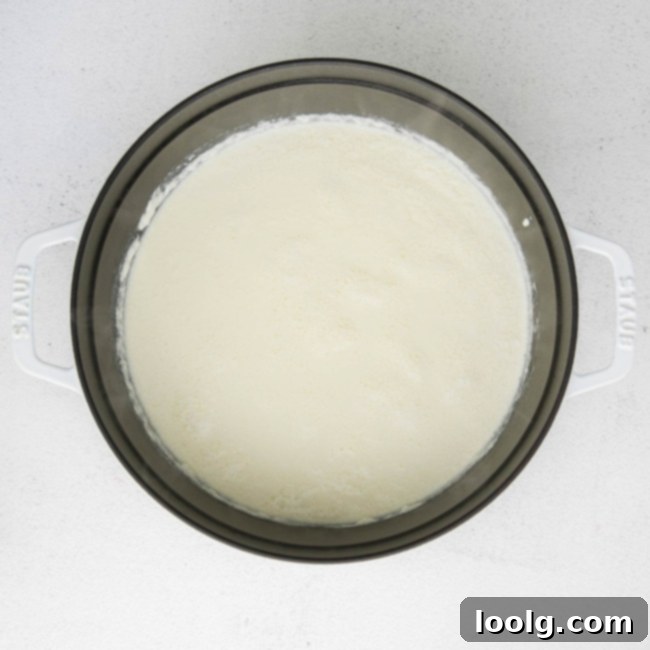
- Heat the Dairy: In a large, heavy-bottomed saucepan, combine the whole milk, heavy cream, and kosher salt. Place the saucepan over medium-high heat. Stir the mixture frequently to prevent scorching on the bottom. Heat until the dairy is very hot and just begins to simmer, showing small bubbles around the edges but not coming to a full rolling boil. The ideal temperature is around 190°F (88°C).
- Add the Acid and Curdle: Immediately remove the pot from the heat once it reaches a simmer. Gently stir in the white wine vinegar (or lemon juice). Within a minute or two, you will observe the magic happening: the mixture will visibly separate into distinct white curds and yellowish, translucent whey. This is exactly what you want to see!
- Rest for Full Curdling: Let the mixture sit undisturbed in the pot for approximately 2 minutes. This brief resting period allows the curds to fully form and consolidate, making them easier to drain and resulting in a better yield.
- Drain the Ricotta: Carefully pour the curdled milk and cream mixture into the prepared cheesecloth-lined sieve. Allow the curds to drain naturally. The amount of draining time will determine the final consistency of your ricotta. For a soft, spreadable, and ultra-creamy ricotta, drain for about 20 minutes. For a thicker, more scoopable cheese, extend the draining time to 30-45 minutes. For a firm ricotta suitable for baking or dense fillings, you might drain for an hour or even longer.
- Serve or Store: Once drained to your preferred consistency, your fresh, creamy ricotta is ready! Use it immediately in your favorite recipes, or transfer it to an airtight container and refrigerate for up to 5 days.
Tips for Success: Perfecting Your Homemade Ricotta
- Temperature is Key: Ensure your milk mixture gets hot enough – aim for around 190 °F (88 °C) – before adding the acid. If the temperature is too low, the milk proteins won’t coagulate properly, and you won’t get good curd formation. A kitchen thermometer can be very helpful here.
- Avoid a Rolling Boil: While you want the milk hot, do not let the mixture come to a full, rolling boil. Boiling can cause the milk proteins to break down too much, potentially resulting in a grainy or tough texture rather than smooth, creamy curds. Gentle simmering is ideal.
- Control the Texture by Draining: This is where you customize your ricotta! For a looser, more spreadable and creamier ricotta, drain for a shorter duration (around 20 minutes). For a thicker, firmer ricotta that’s easier to work into pasta fillings or bake with, let it drain longer, up to an hour or more.
- Gentle Stirring After Acid: Once you’ve added the vinegar or lemon juice, stir very gently, just enough to incorporate it. Over-stirring can break up the delicate curds as they form, leading to a finer, less desirable texture and potentially a lower yield.
- Use the Right Cheesecloth: A fine cheesecloth or a clean, tightly woven kitchen towel is essential. If the weave is too loose, small, precious curds will escape with the whey, reducing your yield and making your ricotta less substantial. Double or triple layer your cheesecloth for best results.
- Don’t Waste the Whey: The liquid that drains off is whey! It’s nutritious and can be used in various ways: for baking (replace water in bread recipes), as a base for soups, or even as a healthy drink.
Why Add Cream to Ricotta? The Secret to Unbeatable Creaminess
While traditional ricotta, whose name literally means “re-cooked” and often refers to cheese made from whey, can certainly be made with just milk, the inclusion of heavy cream in this recipe makes a monumental difference. It’s the key ingredient that transforms a good ricotta into an extraordinary one.
The extra fat content from the heavy cream creates a significantly richer, smoother, and more luxurious texture. This is what gives you that ultra-creamy, almost silken consistency that is typically associated with high-end, artisan-quality ricotta, not usually found in standard grocery store offerings. The higher fat also contributes to a more profound dairy flavor, making the ricotta taste more decadent and satisfying.
If you choose to skip the cream and use only whole milk, your ricotta will still be delicious and fresh, but it won’t achieve the same luscious, melt-in-your-mouth richness that makes this specific recipe so special. The cream truly elevates the experience, making every bite a celebration of creamy indulgence.
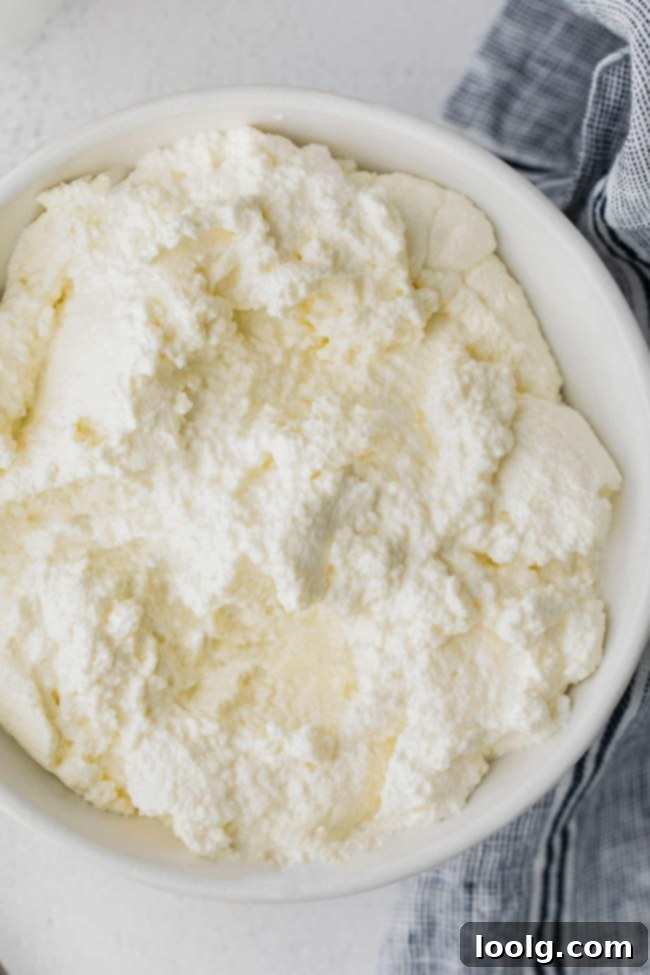
How Long to Drain Ricotta: Customizing Your Cheese’s Texture
The beauty of making ricotta at home lies in your ability to dictate its final texture, simply by controlling the draining time. This flexibility allows you to tailor your ricotta perfectly to its intended use:
- About 20 minutes: This shorter draining period will yield a soft, wonderfully creamy, and easily spreadable ricotta. It’s ideal for spreading on toast, stirring into sauces, or dolloping onto fruit for a light dessert. It will have a moist, almost pudding-like consistency.
- 30-45 minutes: Draining for this moderate amount of time will result in a thicker, more substantial ricotta that’s still creamy but holds its shape better. It’s perfect for spooning over pasta, filling ravioli, or incorporating into dips where you want a bit more body.
- 1 hour or more: For a very firm and drier ricotta, let it drain for an hour or even several hours. This dense texture is excellent for baking, such as in cheesecakes or savory tarts, or for recipes like lasagna where you need the cheese to maintain its structure during cooking.
Consider the recipe you’re preparing. If you’re using it for something like toast or to stir into a warm pasta dish for an added creamy element, a shorter drain time works best to keep it moist and luxurious. For recipes where you desire a thicker texture, like a structural filling or baked goods, allowing it to drain longer will achieve the necessary firmness. Don’t be afraid to experiment to find your personal preferred consistency!
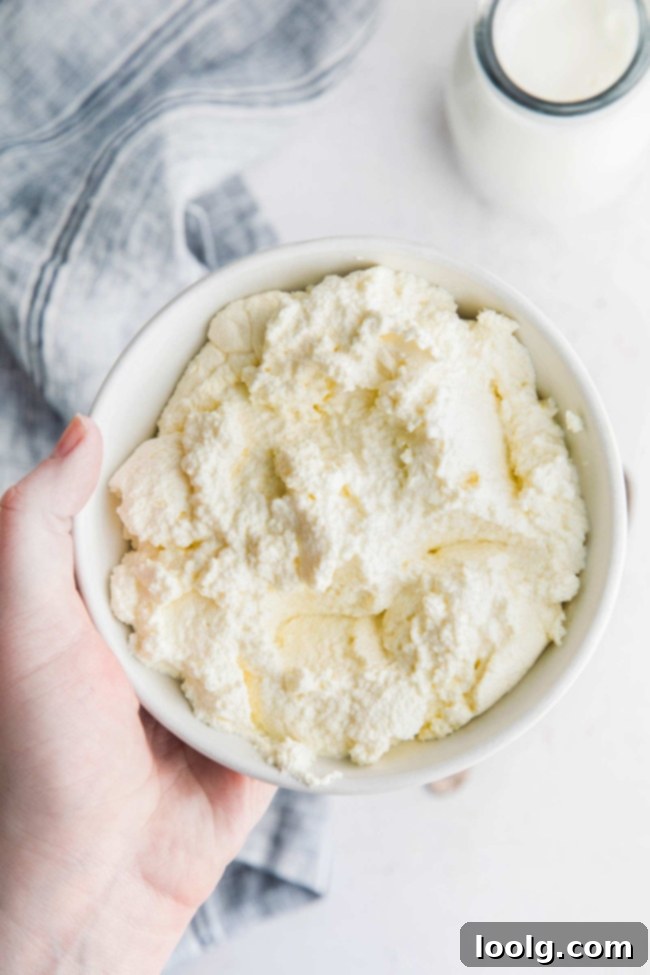
Storage Guidelines for Homemade Ricotta
Once you’ve made your delicious batch of creamy ricotta, proper storage is essential to maintain its freshness and quality. Here’s how to keep it at its best:
- Refrigeration: Transfer your freshly made ricotta to an airtight container immediately after draining. Store it in the refrigerator. It will stay fresh and delicious for up to 5 days.
- Liquid Separation: It’s completely normal for a small amount of liquid (whey) to separate from the ricotta during storage. This is a natural occurrence and doesn’t indicate spoilage. Simply give the ricotta a quick stir with a spoon before you use it to reincorporate any separated liquid and restore its creamy texture.
- Freezing is Not Recommended: Unfortunately, homemade ricotta cheese, especially this extra-creamy version, does not freeze well. Freezing can alter its delicate texture, making it grainy or watery upon thawing. For the best culinary experience, it’s highly recommended to enjoy your homemade ricotta fresh within the suggested refrigeration period. Make smaller batches more frequently if you find you don’t use it all.
How to Use Fresh Homemade Ricotta: Versatile & Delicious
- Breakfast & Brunch:
- Spread generously on crusty toast, drizzled with honey or maple syrup, and topped with fresh berries or sliced fruit for a simple yet elegant breakfast.
- Swirl into warm oatmeal or overnight oats for an added creamy boost of protein.
- Use as a filling for sweet crepes or French toast, perhaps with a sprinkle of cinnamon and sugar.
- Pasta & Savory Dishes:
- Spoon a dollop over your favorite pasta dish (like spaghetti with marinara or lemon pasta) for an instant creamy finish that adds richness and depth.
- Essential in classic Italian-American dishes like lasagna, baked ziti, and stuffed shells. Its freshness will truly make these dishes shine.
- Combine with sautéed greens (like spinach or Swiss chard) and herbs for a delicious filling in savory tarts or omelets.
- Add to savory pancakes or fritters for a lighter, fluffier texture.
- Salads & Spreads:
- Incorporate into salads (perhaps in this refreshing Raspberry Salad?) for a fresh, creamy element that provides a delightful contrast to crisp greens and vinaigrette.
- Create a quick and easy dip by mixing with herbs, garlic, and a drizzle of olive oil. Serve with pita bread or fresh vegetables.
- Main Courses & Sides:
- Serve alongside roasted vegetables or grilled meats for a sophisticated touch. For instance, a generous dollop next to a perfectly cooked Smoked Ribeye or Smoked Pork Tenderloin can be elevated with a pinch of salt, a good quality olive oil, and perhaps some lemon zest or a splash of balsamic vinegar.
- Use as a light topping for pizzas or flatbreads after they come out of the oven.
- Desserts:
- The naturally sweet, milky flavor makes it perfect for dessert. Serve with grilled peaches, figs, or a medley of berries.
- Fold into cake batters for added moisture or use as a lighter alternative to cream cheese in frostings.
❤️ Have you tried this fresh, ultra-creamy ricotta cheese recipe? ❤️
Please leave a ✍️ review and ⭐ rating to let me know how it turned out. Your feedback is so valuable and helps other home cooks! 💛
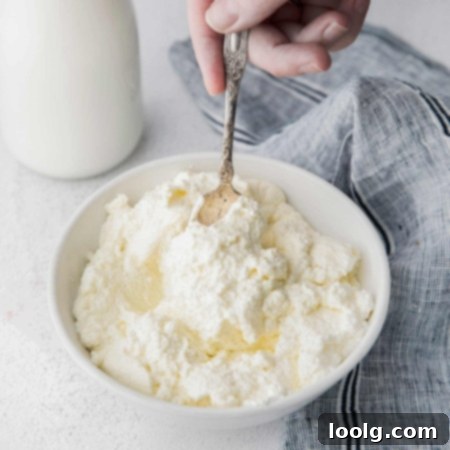
Creamy Ricotta Cheese
Ingredients
- 4 cups (946 ml) whole milk
- 2 cups (473 ml) heavy whipping cream
- 1 teaspoon kosher salt
- 1/4 cup (59 ml) white wine vinegar
Instructions
-
Set a fine mesh sieve over a large bowl and line it with cheesecloth. Set aside.
-
In a large saucepan over medium-high heat, combine the milk, heavy cream, and salt. Heat the mixture, stirring often, until it’s very hot and just beginning to simmer. Don’t let it come to a full boil.4 cups (946 ml) whole milk2 cups (473 ml) heavy whipping cream1 teaspoon kosher salt
-
Remove the pot from the heat and stir in the white wine vinegar. Within a minute or two, the mixture will separate into curds and whey.1/4 cup (59 ml) white wine vinegar
-
Let it sit undisturbed for about 2 minutes to fully curdle.
-
Carefully pour the mixture into the prepared sieve and let it drain. For a creamier ricotta, drain for about 20 minutes. For a thicker ricotta, let it sit longer.
-
Use right away or transfer to an airtight container and refrigerate for up to 5 days.
Notes
- The nutrition information provided is calculated as a courtesy and is only an estimate. I am not a licensed nutritionist or dietitian. For the most accurate nutritional data, consult a professional or use your preferred calculator. Info calculated based on 1/4-cup (56-gram) servings.
- This recipe yields about 1 1/2 cups (340-370 grams) of extra-creamy ricotta. If you want a less creamy, more traditional texture (by reducing the cream and increasing milk, or using just milk), it typically yields about 2 cups.